
Enhance Tenant Experience with Tenant Portal Management Tools
- DomoDomu

- Jul 3
- 4 min read
Managing rental properties can be complex. You need to keep tenants happy, handle maintenance requests, collect rent, and communicate effectively. Using tenant portal management tools can simplify these tasks and improve the overall tenant experience. These tools create a centralized platform where tenants and landlords can interact smoothly and efficiently.
In this post, you will learn how tenant portal management tools can transform your property management approach. You will discover practical ways to enhance tenant satisfaction, streamline operations, and build stronger relationships with your tenants.
Why Tenant Portal Management Tools Matter
Tenant portal management tools provide a digital space where tenants can access important information and services anytime. This convenience is crucial in today’s fast-paced world. When tenants can easily pay rent, submit maintenance requests, or review lease documents online, they feel valued and respected.
For example, instead of waiting on hold to report a broken heater, tenants can submit a request through the portal. You receive the notification immediately and can schedule repairs faster. This responsiveness builds trust and reduces tenant frustration.
These tools also help you stay organized. You can track payments, monitor maintenance progress, and communicate with tenants all in one place. This reduces errors and saves time, allowing you to focus on growing your portfolio or improving your services.
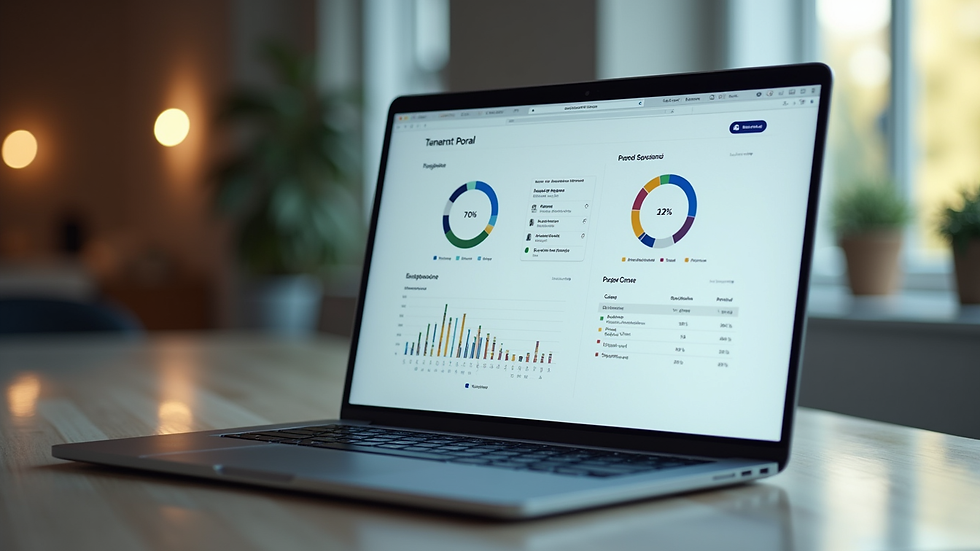
Key Features of Effective Tenant Portal Management Tools
When choosing tenant portal management tools, look for features that enhance both tenant and landlord experiences. Here are some essential features to consider:
Online Rent Payments: Tenants can pay rent securely and on time using various payment methods. Automated reminders help reduce late payments.
Maintenance Requests: Tenants submit requests with photos and descriptions. You can assign tasks to vendors and track progress.
Document Management: Lease agreements, notices, and other documents are stored digitally for easy access.
Communication Hub: Messaging features allow direct communication between tenants and landlords without sharing personal contact details.
Reporting and Analytics: Generate reports on rent collection, maintenance costs, and tenant satisfaction to make informed decisions.
By integrating these features, you create a seamless experience that benefits everyone involved.
How to Implement Tenant Portal Management Tools Successfully
Implementing tenant portal management tools requires careful planning and clear communication. Here’s a step-by-step approach to help you get started:
Assess Your Needs: Identify the challenges you face in managing your properties. Prioritize features that address these issues.
Choose the Right Platform: Select a platform that fits your budget and offers scalability as your portfolio grows.
Train Your Team and Tenants: Provide simple guides or tutorials to help users navigate the portal confidently.
Promote Usage: Encourage tenants to use the portal by highlighting its benefits, such as convenience and faster service.
Gather Feedback: Regularly ask tenants and staff for feedback to improve the portal experience.
By following these steps, you ensure a smooth transition and maximize the benefits of tenant portal management tools.

Practical Benefits for Property Management
Using tenant portal management tools offers several practical benefits that improve your day-to-day operations:
Reduced Administrative Work: Automate rent collection and maintenance tracking to save time.
Improved Cash Flow: Online payments and reminders help ensure rent is paid promptly.
Enhanced Tenant Retention: Quick responses to requests and easy communication increase tenant satisfaction.
Better Record Keeping: Digital documents and logs reduce the risk of lost paperwork.
Scalable Management: Manage multiple properties and tenants efficiently from one platform.
For example, a small property management firm can handle dozens of units without hiring extra staff. The portal acts as a shared foundation that powers multiple vertical products at once, supporting your growth.
Encouraging Tenants to Embrace the Portal
Getting tenants to adopt a new system can be challenging. Here are some tips to encourage portal usage:
Highlight Convenience: Emphasize how the portal saves time and effort.
Offer Incentives: Consider small rewards for early adopters or consistent users.
Provide Support: Make help available through FAQs, chat support, or phone assistance.
Communicate Regularly: Send reminders and updates about portal features and benefits.
Remember, the goal is to make the portal a natural part of the tenant’s rental experience. When tenants see the value, they will be more likely to engage.
You can explore an online tenant portal management app that offers these features and more, designed to enhance your property management ecosystem.
Building a Stronger Property Management Ecosystem
Tenant portal management tools are more than just software. They form the infrastructure layer for your entire property management ecosystem. By integrating various functions into one platform, you create a shared foundation that supports multiple vertical products simultaneously.
This approach allows you to:
Expand Services: Add new features like community forums, payment plans, or vendor management.
Improve Data Insights: Use analytics to understand tenant behavior and optimize operations.
Enhance Collaboration: Connect with vendors, contractors, and other stakeholders seamlessly.
By investing in a robust tenant portal management system, you position yourself for long-term success and adaptability in a competitive market.
By adopting tenant portal management tools, you take a significant step toward enhancing tenant experience and streamlining your property management tasks. The convenience, transparency, and efficiency these tools provide benefit everyone involved. Start exploring your options today and build a stronger, more connected property management ecosystem.


Comments